5 Positive Mental Health Habits
This article was written in collaboration with The Wellness Society and it was first posted on their blog as an answer to one of their readers’ questions. You can find out more about it in their Blog Section.
Prevention is better than intervention!
For optimal mental health, it’s vital to establish and maintain positive mental health habits which act as a buffer against negative life events and inevitable stressors. When you reflect on how you’re taking care of your mental wellbeing, try to consider new habits that might be helpful for you.
Need inspiration? Below you can find five simple and effective ideas for improving your mental wellbeing.
1. Check-In with Yourself
Checking-in with yourself gives you the opportunity to take a break and connect with yourself.
You’re essentially gathering valuable information while treating yourself like you would a dear friend.
Ultimately this will lead to increased self-awareness and a deeper relationship with yourself.
This habit can be useful when a challenging emotion is starting to manifest, or when you’re doing an unhelpful behavior.
Invest 5 minutes every now and then during your day to simply check-in. Here are some questions to consider:
How am I doing?
Am I experiencing difficult emotions or thoughts?
Am I doing some unhelpful behaviors?
Is there something I need that I can offer myself?
You can also apply this strategy by using The Daily Mental Health Journal.
2. Set Healthy Boundaries
3. Create a Rest Habit
Sometimes we put an incredible amount of pressure on ourselves in an attempt to be perfect, reach our goals quickly, and be constantly productive.
When we experience this type of pressure, we can forget to listen to our body’s and mind’s need for rest.
By not taking time to rest, you limit your capacity for positivity, creativity, and empathy.
You cannot show up as your best self for others without first showing up for yourself! And that means granting yourself permission to rest.
Rest, like sleep, is an essential human need. Recharging can therefore be thought of as a form of productivity!
Why not create a new rest habit? Simply decide on a dedicated time once a day or once a week to stop everything and rest.
4. Practice Gratitude
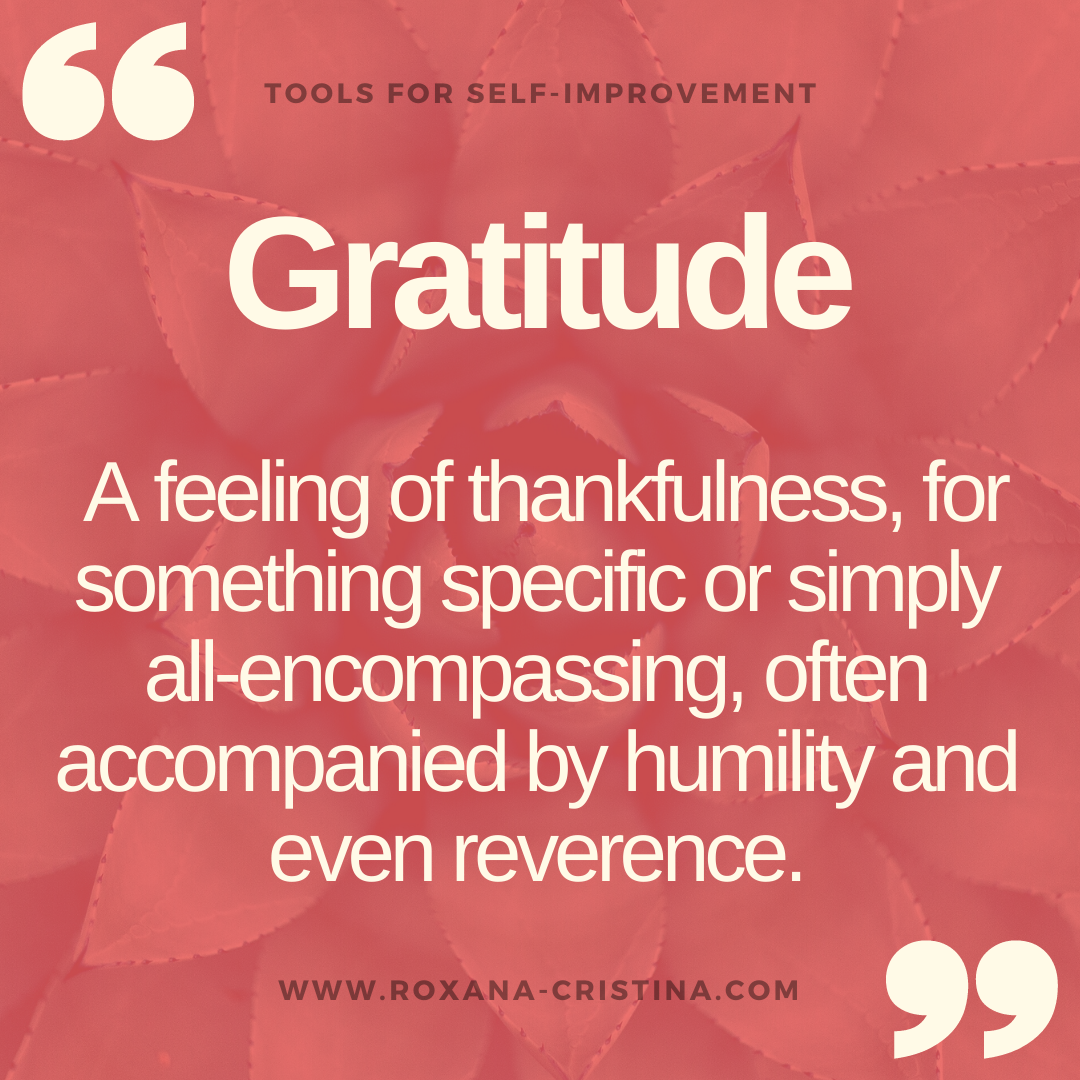
Gratitude is a strategy through which we express our appreciation for what we have in our lives.
Practicing gratitude helps you improve your wellbeing by overriding your innate negativity bias.
Like any other useful tool or technique, in order to fully enjoy its benefits, we need to practice it and transform it into a habit.
It’s easy to feel gratitude when something big happens, like getting a job promotion; but it’s more important to look at the small things that we sometimes take for granted, like having a meaningful conversation with a friend, or doing a small act of kindness.
What are you grateful for?
Reserve some time every day to think about at least 3 things that you are grateful for.
5. Plan for Positive Emotions
For optimal mental health, it’s important to plan activities that will result in positive emotions.
Think about what brings you pleasure, satisfaction, excitement, relaxation, or any other positive feeling, emotion or state.
Try to do at least one pleasant activity every day. Plan and schedule these activities and then tick them off.
If you want to maximize and prolong your positive emotions, you can also give savoring a try.
To implement this strategy, first, try to identify what emotions you're feeling.
Is it joy, curiosity, gratitude, serenity, amusement? Where does it manifest in your body? What thoughts are accompanying it?
Name your emotion, look at its consequences, and allow it to manifest. When you see yourself moving away from that positive feeling, consciously try to get back to it. Stay in the present with your positive emotion as much as possible.
Let’s Talk
If you are having difficulty finding those positive mental health habits that work for you and support your emotional and mental health, and you want to do this together, get in touch. We can discuss your needs and goals and find ways to personalize this process so you can get the most out of it.