

Read & Get Inspired
Tools, strategies, resources, tips, and tricks related to the experience of Being Human to help you better understand your thoughts, emotions, behaviors, needs, and values, as well as develop your emotional, communication, and self-leadership skills.

Metacognition: thinking about thinking
Have you ever noticed how quickly the mind can turn a single thought into a whole story? 💭
A delayed reply suddenly means someone is upset with us.
One mistake becomes: “I always mess things up.”
A moment of anxiety starts to feel like proof that something is wrong.
Our minds are constantly interpreting, predicting, protecting and trying to make sense of the world around us. Discover the psychology of thinking about our thinking, understand why the brain defaults to certain thought patterns and explore common cognitive distortions we all experience.
We are not our thoughts! 🖤
The Human Need for Sleep
Sleep matters! Sleep is one of the most fundamental human needs, yet so often we treat it as negotiable.
We push through fatigue, postpone rest, or wear sleepless nights like badges of productivity.
But sleep is a psychological and physiological necessity. It is essential for emotional regulation, mental clarity, and overall wellbeing. Discover practical ways to approach sleep with curiosity, compassion, and intention.
💡 Sleep is one of the few human processes that works best when we stop trying to control it.

How to Set Ambitious & Achievable Goals!
Do you have dead people’s goals?
⏺ “I want to stop feeling anxious, angry, sad, guilty.”
⏺ “I want to stop making mistakes.”
⏺ “I want to stop being stressed.”
⏺ “I want to stop procrastinating.”
These are dead people’s goals.
While these goals are understandable, they can be counterproductive because they emphasize absence over action. Essentially, a dead person can achieve these goals by simply not existing.
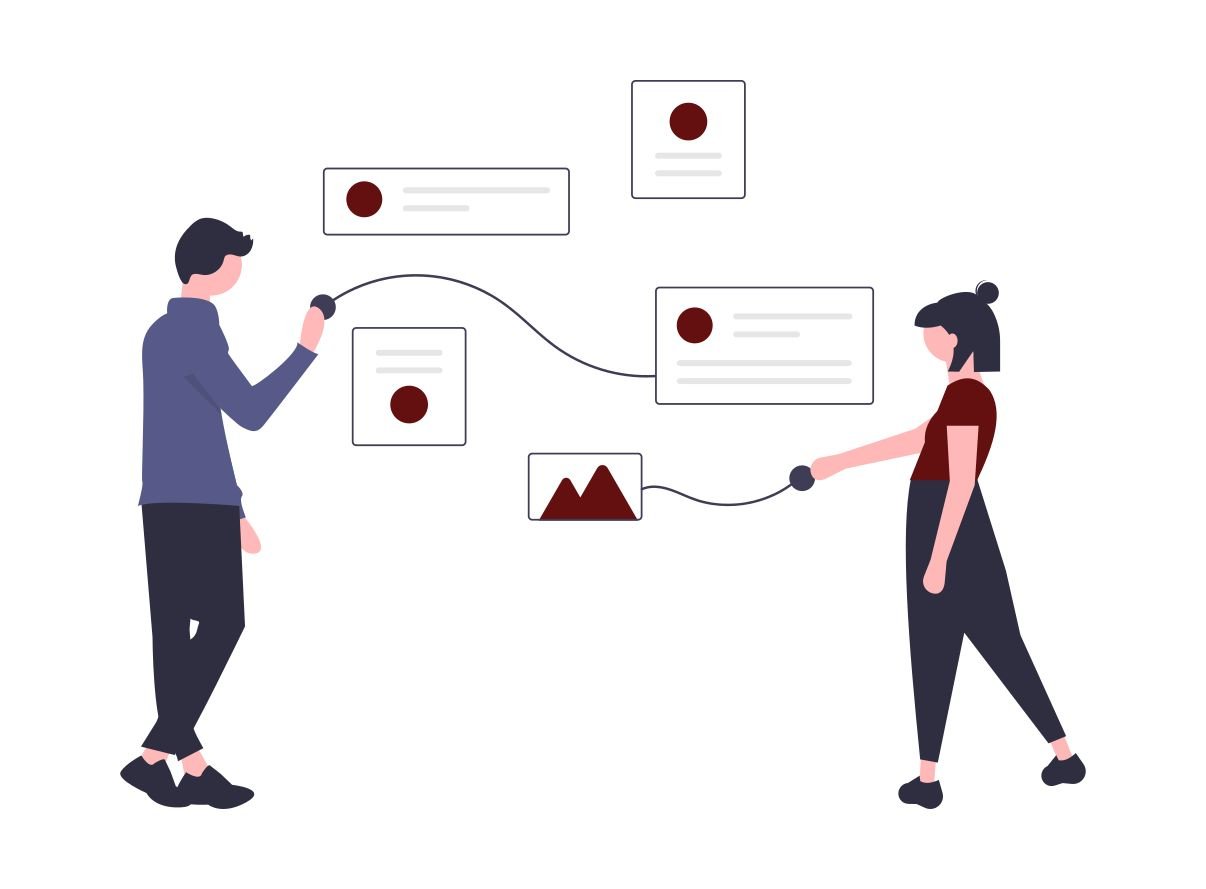
Job crafting - Making work more engaging & meaningful!
Job Crafting involves making proactive changes to our job roles to better align them with our skills, interests, and preferences. By actively modifying our tasks, interactions, and perceptions, we can enhance job satisfaction, engagement, and performance.
How to start?
• Which activities engage you the most at work?
• Which professional relationships or opportunities could you explore next?
• What is the WHY behind your work? Is your current role aligned with your core values? If not, how can you make this happen?