The Human Need for Sleep
Why Sleep Matters More Than We Think
Sleep is not simply a period of rest. While we sleep, the brain and body are actively engaged in processes that regulate emotions, consolidate memories, and restore our physiological systems.
Yet despite how essential sleep is, many of us consistently get less than we need. Research shows that more than 1 in 3 adults do not get enough sleep, and nearly 80% of teenagers fall short of recommended sleep durations.
Sleep and mental health are deeply intertwined. People experiencing insomnia are about 10 times more likely to develop depression and 17 times more likely to experience anxiety compared with the general population.
💡 To keep close: Sleep is not lost time. It is part of the brain’s essential work in maintaining emotional and mental health.
The “Mind After Midnight” Effect
Late at night, the mind often functions different, more reactive, more restless. Researchers call this the “Mind After Midnight” effect: after long hours awake, our brains become more vulnerable to impulsive thinking, heightened negative mood, and diminished decision-making.
By the time midnight arrives, the brain has often been awake for around 16 hours, carrying the accumulated stress and cognitive load of the day. At the same time, the systems responsible for emotional regulation and rational decision-making are more fatigued.
Emotional reactivity can increase
Judgment and impulse control may weaken
Negative thinking patterns may become more pronounced
Another subtle factor is reduced social context. Late at night, many of the social “guardrails” that shape our behavior during the day are simply absent. Most people are asleep, and we are often more isolated and alone with our thoughts. This may help explain why worries that feel overwhelming at 2 a.m. often feel far more manageable the next morning.
💡 To keep close: Not every late-night thought deserves a late-night decision.
The Emotional Brain on Sleep

Sleep is also emotional recalibration in action. During REM sleep, the brain integrates emotional experiences into memory, reducing their intensity and preparing us for the day ahead.
When we are sleep-deprived, the opposite tends to happen.
The amygdala, our brain’s threat detector, becomes more reactive, while communication with the prefrontal cortex, the region that regulates judgment and emotional control, weakens. This explains why the world can feel heavier and more overwhelming after a sleepless night.
Sleep, in many ways, is emotional regulation at work.
📌 Reflection Moment: Think about the last time you were sleep-deprived. How did it affect your mood, your patience, or the way you interpreted situations?
When Sleep Is Difficult
Despite its importance, sleep is not always easy to come by. Often, the challenge is not physical tiredness but mental activation: replaying conversations, anticipating tomorrow, revisiting unresolved emotions.
From a psychological perspective, sleep requires something that can be surprisingly difficult: a sense of internal safety.
To fall asleep, the nervous system must believe that it is safe enough to let go of control for a while. When stress, uncertainty, or emotional overload are present, the mind naturally tries to stay alert, even when the body is exhausted.
Another dynamic that can appear is anticipatory anxiety about sleep itself.
After a few difficult nights, many people begin to worry about whether they will sleep at all. Thoughts such as “What if I can’t fall asleep again?” or “Tomorrow will be terrible if I don’t sleep” can quietly enter the mind before bedtime. Paradoxically, this anticipation can make sleep even more difficult.
The brain begins to associate the bed with performance and pressure, rather than rest. The more we try to force sleep, the more alert the nervous system can become, creating a cycle where the fear of not sleeping becomes part of the problem itself.
💡 Sleep is one of the few human processes that works best when we stop trying to control it.
Understanding this cycle can be relieving. Difficulty sleeping is often not a sign that something is “wrong,” but rather that the mind has become temporarily vigilant around sleep.
Approaching this with curiosity and compassion can help soften that vigilance, allowing the nervous system to gradually relearn that the night is a safe place to rest.
Psychological Ways to Support Better Sleep
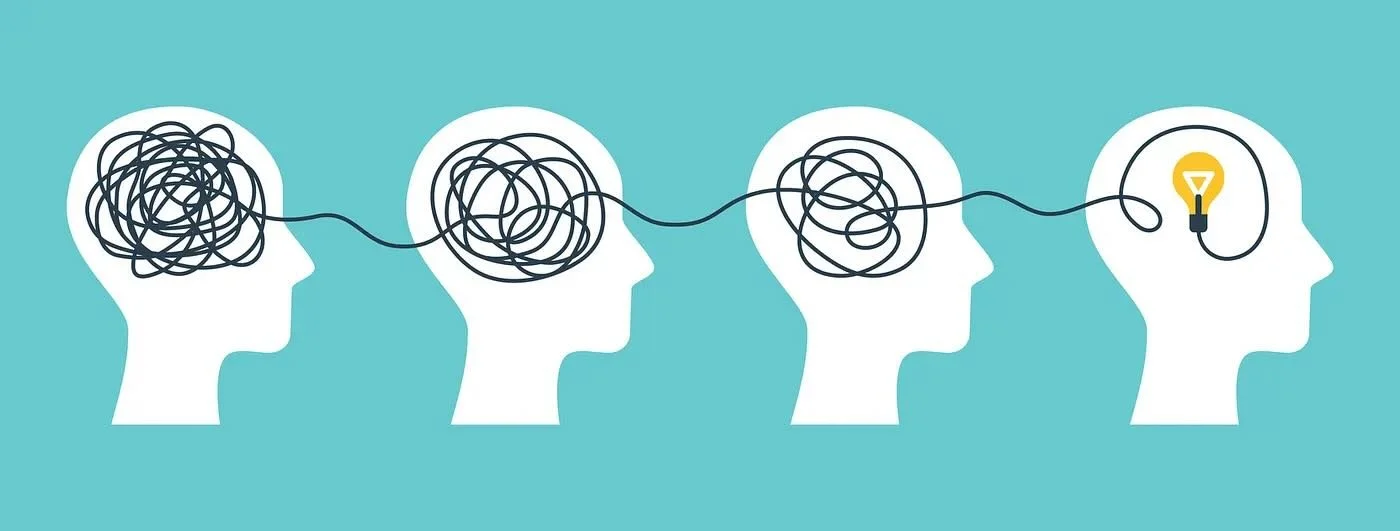
Once we understand how anticipatory anxiety and mental activation can disrupt sleep, the next step is creating conditions that invite the nervous system to relax and let rest happen naturally. Sleep is not about discipline alone; it’s about creating a gentle environment for your mind and body to downshift.
1. Give your thoughts a place to land
If your mind tends to stay active at night, jot down reflections, tomorrow’s tasks, or lingering emotions. The goal is not to solve everything, it’s to signal to your brain that these thoughts are acknowledged, allowing it to step back from vigilance. Even a single sentence can help the nervous system release the day’s mental load.
2. Create a gentle transition between day and night
The brain rarely shifts instantly from high activity to rest. Small rituals like reading a few pages, stretching, listening to calming music, or simply sitting quietly can act as a psychological bridge. These moments tell the nervous system that the day is ending and it’s safe to slow down.
3. Be curious about what your mind is processing
Restless nights can be signals that your mind is working through something meaningful, maybe a difficult emotion, a decision, or even a creative insight. Instead of judging yourself, try gently asking: “What might my mind still be trying to understand?” Awareness during the day can reduce the mental replay at night.
4. Protect the depth and consistency of your sleep
Deep sleep is when the brain and body perform the most restorative work. Going to bed at roughly the same time and allowing enough hours for multiple sleep cycles signals safety and predictability to the nervous system, supporting both emotional and physical health.
5. Cultivate self-compassion
Sometimes, difficulty sleeping triggers frustration or self-criticism. Remind yourself that sleep is a process, not a performance. Approaching bedtime with curiosity and kindness reduces pressure, helps the nervous system relax, and strengthens emotional regulation.
6. Seeking Support is Part of Rest
If sleep difficulties persist, consider asking for help. Evidence-based approaches, like Cognitive Behavioral Therapy for Insomnia (CBT-I), help break cycles of anticipatory anxiety, racing thoughts, and disrupted sleep, guiding the mind and body back toward rest. Sometimes, the gentlest step toward better sleep is knowing you don’t have to do it alone.
A Closing Thought 💬
Sleep reminds us that we are not machines. We need cycles of engagement and restoration, wakefulness and rest. When we allow ourselves to sleep well, we not only support our physical health, we nurture our emotional resilience, clarity of thought, and capacity for connection.
Rest is not something we must earn. Rest is something we must remember to allow.
Let’s Talk
Are you looking for ways to improve your sleep and get better rest? Could you use some support right now? Get in touch! We can discuss your needs and goals and find ways to personalize this process so you can get the most out of it.